Thinking about upgrading your home's insulation? That's a smart move, especially with our wild Kansas weather swings. I get a lot of questions about insulation from folks right here in Dodge City, and it's usually the same handful of concerns that pop up. So, I figured I'd put together some straight answers to the most common insulation questions I hear. This isn't marketing fluff; it's what I've learned from years of working on homes just like yours.
What's the best type of insulation for my Dodge City home?
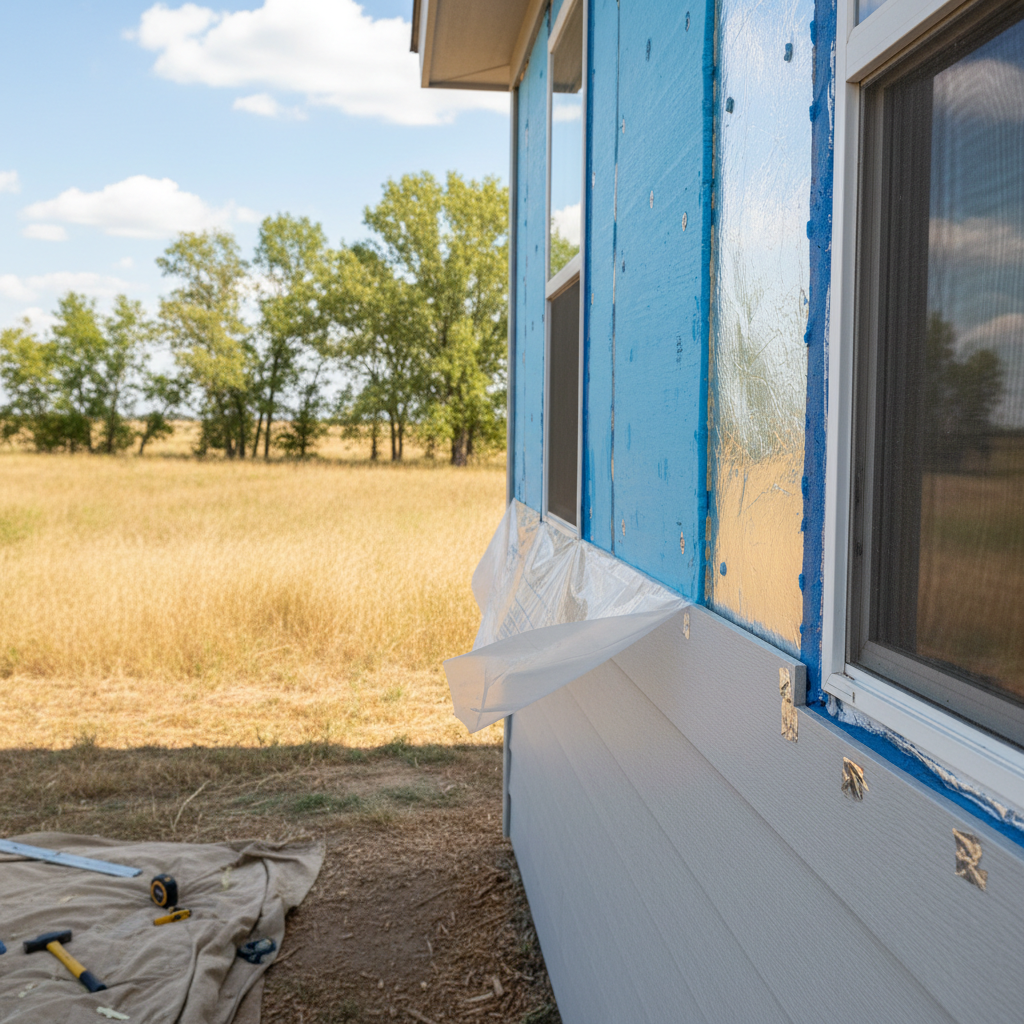
Honestly, there isn't one single 'best' type for every house. It really depends on where you're putting it and what you're trying to achieve. For attics, blown-in fiberglass or cellulose are popular choices. They fill irregular spaces well and offer good R-values. If you're dealing with wall cavities, especially in older homes, dense-pack cellulose or spray foam can be great. They seal up drafts and add significant R-value without needing to tear out drywall. For new construction or major remodels, rigid foam boards work wonderfully for continuous insulation on exterior walls. Each option has its good points and bad points when it comes to cost, R-value, and how complicated the installation is. We often see homes, particularly those older bungalows near Wright Park, that could really use a mix of types to seal things up right.
How much does new insulation cost, and is it worth it?
Cost varies a lot. It depends on the insulation type, the area you're insulating, and how much old material we need to pull out. Blown-in insulation, for instance, is generally cheaper than spray foam. But let's talk about "worth it." Absolutely, it's worth it. You'll definitely see a difference in your energy bills. Plus, your home will just feel more comfortable all year long. No more hot spots in summer or cold drafts in winter. It's an investment that pays you back over time, not just in savings but in overall home comfort – and even resale value. Think of it as making your home work smarter, not harder, to keep you cozy.
Can I install insulation myself, or should I hire a professional?
Some types of insulation, like batts in an accessible attic, can be a DIY project if you're handy and know what you're doing. But for most situations, especially blown-in insulation, spray foam, or dense-pack, you really want a pro. We've got specialized equipment that makes the job efficient and ensures proper coverage. Plus, we know how to handle things like ventilation, moisture barriers, and sealing air leaks – all crucial for insulation to actually work. Messing up insulation can lead to bigger problems down the road, like moisture issues or reduced effectiveness. That means you're not getting your money's worth, right? It's usually best to trust the folks who do this day in and day out.
How do I know if my current insulation is still good?
There are a few tell-tale signs. High energy bills are a big one. If you're constantly adjusting your thermostat and still feeling uncomfortable, that's a red flag. Drafts, especially near outlets or windows, can point to poor insulation. Uneven temperatures between rooms or floors are another sign. You can also visually inspect your attic. If you can see the top of your ceiling joists, you probably don't have enough insulation. Over time, insulation can settle, get damaged by pests, or become wet, all of which reduce how well it works. If you're unsure, we can come out and do an inspection to give you an honest assessment.
What's R-value, and what R-value do I need in Dodge City?
R-value is simply a measure of thermal resistance. It tells you how well insulation resists heat flow. Higher R-value means better insulating power. For our climate zone here in Dodge City, the Department of Energy generally recommends an R-value of R-38 to R-60 for attics. For walls, it's typically R-13 to R-21, depending on the wall cavity depth and type of construction. It's not just about hitting a number, though; proper installation and air sealing matter just as much. You can have a high R-value, but if there are air leaks, you're still losing a lot of energy.
Will new insulation help with noise reduction?
It sure can! While insulation's main job is thermal resistance, many types – particularly dense-pack cellulose and some fiberglass products – also do a great job at dampening sound. If you're living near a busy street, or just want a quieter home, adding insulation to walls and ceilings can make a noticeable difference. It won't completely soundproof your home, but it definitely helps absorb sound waves and cut down on noise coming from outside or between rooms. It's a nice bonus you get along with better energy efficiency.
How long does insulation last?
Good quality insulation, installed correctly, can last for decades – often the lifetime of your home. Blown-in cellulose or fiberglass, for example, doesn't really degrade unless it gets wet, compressed, or infested by pests. Spray foam is even more durable once it's cured. The key is that "installed correctly" part. If it's put in wrong, or if there are ongoing moisture issues or pest problems, its lifespan and effectiveness will drop significantly. That's why getting it right the first time is so important. We at Dodge City Siding Company make sure we do the job right, so you don't have to worry about it for a long, long time.